Master the Art of Professional Wig Crafting & Customization
Step-by-step masterclasses on hair ventilating, lace bleaching, custom cap construction, and seamless track stitching. Built for aspiring wig makers, hair stylists, and DIY enthusiasts looking for professional perfection.
Core Wig Crafting Specialties
Explore our comprehensive modules designed to take you from a complete beginner to a master wig artisan.
Cap Construction
Building resilient, breathable dome caps and Swiss lace foundations accurately tailored to head measurements.
Lace Ventilating
Master single and double knotting techniques to replicate natural hair growth direction along hairlines.
Bleaching & Toning
Eliminating harsh black knots on lace closures using professional lighteners and color correctors safely.
Track Stitching
Securing hair wefts using overcast, lock stitch, and flip-over sewing methods for flat, long-lasting units.
Wig Making Techniques Comparison
Choose the construction method that aligns with your timeline, budget, and desired realism.
| Technical Features | Full Hand-Ventilated Lace Wig | Machine Sewing + Lace Closure | Hybrid Custom Cap Method |
|---|---|---|---|
| Hairline Naturalness | Ultra-Realistic (10/10) | Standard Natural (7.5/10) | High Realism (9/10) |
| Construction Time | 40 – 70 Hours | 3 – 6 Hours | 12 – 20 Hours |
| Durability & Longevity | 12 – 24 Months | 24 – 36 Months | 18 – 30 Months |
| Skill Level Required | Advanced / Master | Beginner to Intermediate | Intermediate |
| Breathability | Maximum (Full Mesh) | Medium (Thicker Elastic Cap) | High (Customized Panels) |
| Best Recommended For | Film, TV, Couture Units | Daily Wear & Commercial Units | Custom Client Commissions |
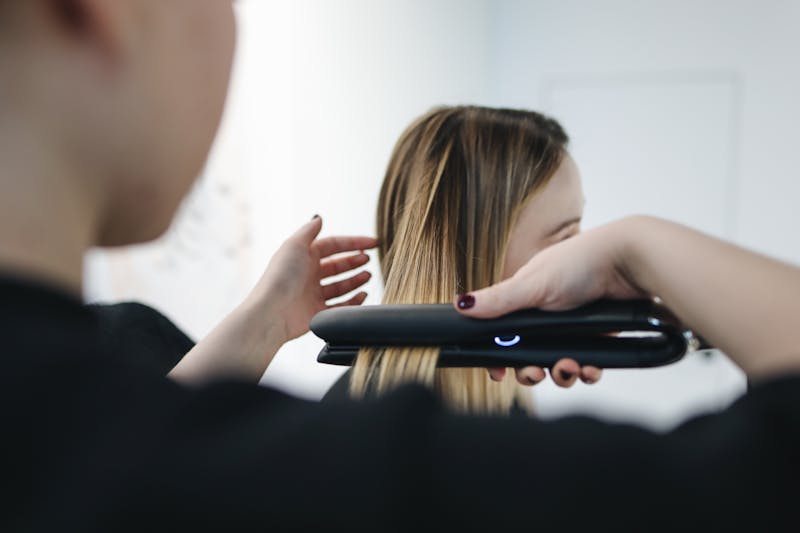
Precision Bleaching & Density Control
Creating an invisible illusion requires precise chemical application and strategic plucking. Our step-by-step masterclasses guide you through achieving scalp-like realism without damaging fragile lace foundations.
- Controlled Bleaching Consistency: Formula ratios that prevent bleed-through to hair strands.
- Graduated Density Plucking: Soft transition from single knots at the front to full density behind.
- Tone Matching: Custom lace tinting tailored to exact skin complexions.
Frequently Asked Questions
Answers to common queries regarding hair ventilating needle sizes, cap materials, and sewing tools.
What needle size should I use for hairline ventilating?
For a ultra-natural hairline, use a #1-1 or #1-2 German ventilating needle. These allow you to grab only 1 to 2 strands of hair per knot, preventing bulkiness along the front perimeter.
Which wig cap base offers the longest durability?
Dome caps reinforced with stretchable mesh and thick cotton elastic bands provide maximum lifespan. HD Swiss lace is softer but delicate, whereas Korean lace offers a balance of durability and realism.
How do I prevent bleach from bleeding through lace?
Ensure your bleaching mixture maintains a thick, frosting-like consistency. Never push the bleach down onto the lace; gently sweep it across the knots so chemical action remains strictly on top.
Can I build a full wig using a regular sewing machine?
Yes. A heavy-duty home sewing machine equipped with a zigzag stitch setting and a denim or leather needle works exceptionally well for attaching hair wefts onto a canvas block cap.
What is the difference between single and double knots?
Single knots lie flatter against the lace, making them ideal for front hairlines and parting spaces. Double knots are sturdier and less prone to shedding, making them suitable for high-friction areas like the crown.
How do I accurately measure a head for a custom wig?
Take 6 primary measurements: Circumference, Front to Nape, Ear to Ear across forehead, Ear to Ear over top, Temple to Temple round back, and Nape width. Always measure over flattened hair or a stocking cap.
Which thread type is best for hand sewing hair tracks?
Heavy-duty nylon or bonded polyester thread is recommended. Avoid standard cotton thread, as it degrades quickly under sweat, water, and tension.
How do I seal lace knots to reduce shedding?
After bleaching and washing, spray the interior underside of the lace closure with a specialized acrylic knot sealer or fabric sealant, allowing it to dry thoroughly before installing.
About Wig Craft Lab
At Wig Craft Lab, we bridge the gap between traditional theater wig making and modern custom hair crafting. Our mission is to empower creators, stylists, and craftspeople with precise, reliable knowledge.
Whether you are building your first custom closure or running an artisan hair studio, our educational resources provide tested methodologies and professional standards.
Latest Wig Crafting Tutorials
Explore our latest 5 step-by-step technical guides and masterclasses.
Custom Cap Sizing Masterclass
How to translate head measurements accurately to canvas blocks for fit.

Single Knotting Hairline Basics
Step-by-step techniques for realistic single strand ventilation along lace front.
Lace Bleaching Formulations
Mixing lighteners to lift dark knots cleanly without destroying lace mesh.

