Why Your Bleached Knots Turn Orange
If you want the straight answer on how to bleach knots on a lace wig, here it is: it works, but only on human hair, only with a thick paste that stays put, and only if you accept a small amount of risk at the root. I have spent nine years ventilating and customizing lace units, and the gap between a flawless hairline and a bald patch is almost always timing, not luck. Learning how to make a wig also teaches you something most tutorials skip: knots are structural, not decorative, and every one of them holds a strand in place.
Table of Content
What Bleaching Knots Really Does to Lace
Why Dark Knots Show Up at the Hairline
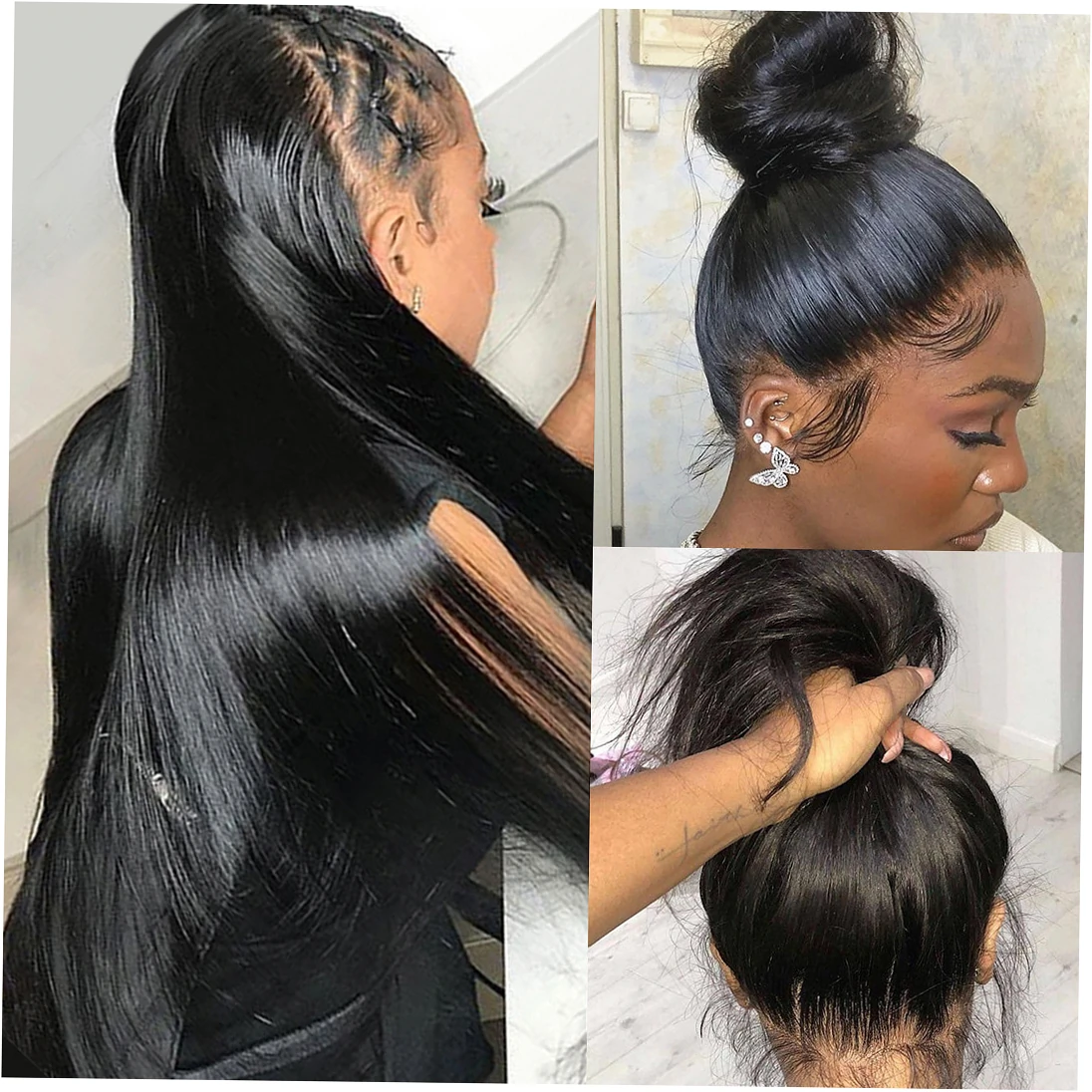
Knots read as stubble because each one is a tiny bundle of dark hair tied off and sealed against the mesh. On a lighter scalp, that dot becomes a visible grid the moment someone stands close. Bleach does not remove the knot itself; it strips pigment from the hair trapped inside it, so the bundle finally matches skin instead of shouting.
The problem zone is the first half inch of the hairline, where knots are tied smallest and densest for security. That density is exactly why the area is so unforgiving: a millimeter of over-processing leaves a thin or patchy spot, while a millimeter of under-processing leaves the same orange-brown specks you started with. Both outcomes are fixable, but at very different costs.
How Bleach and Developer Lighten Knot Color
Developer opens the cuticle, and the persulfate in bleach oxidizes the melanin inside the strand. Two practical consequences follow. Lift is irreversible, so you cannot walk an over-bleached knot back to brown. And the reaction only continues while the paste stays damp, which is why dried-out bleach stops working and starts weakening the fiber instead.
That is also why a warm room or a hairdryer speeds things up in a way you cannot control. Ambient heat plus 20 volume developer can cut your safe window in half. Treat dwell time as a range to be watched, never as a number you set once and forget.
Which Lace Types Take Bleach Best
Swiss and HD meshes are fine enough that a modest lift is plenty, because each knot sits almost flush with the scalp. On an invisible HD lace wig, even a soft caramel knot vanishes at conversational distance, so 10 volume and a short dwell will do the job. Thicker budget lace needs more lift and forgives far less.
Check the mesh before you buy anything: hold it against your palm in daylight and look for a dense, uniform grid. If you can already see the lace weave from a foot away, no amount of bleach will make that front read as scalp, and you are better off choosing a finer unit rather than pushing chemicals harder.
Which Bleach Mix Should You Actually Use?
Powder, Developer, and the Right Ratio
Mix one part bleaching powder with one part developer, then add a little more powder until the paste holds a peak like frosting. Runny bleach is the single most common cause of seepage into the hair shaft, and seepage means broken hairs six weeks later. A stiff paste stays exactly where the brush leaves it.
Skip drugstore creme lighteners built for scalp hair. They are buffered to lift slowly, which nudges people into leaving them on far too long, and their oils can stain fine lace. Cosmetic-grade powder with 10 or 20 volume gives you a predictable lift and a clear stopping point.
Bleach vs Tint vs Concealer
Not every head needs chemistry. Tinted lace, cream foundation and dedicated knot concealer are faster, reversible, and the only sensible option for anyone unwilling to risk the hair. The trade-off is upkeep: makeup transfers onto pillowcases, needs a touch-up after every wash, and can look chalky under strong daylight.
| Method | Skill needed | How long it lasts | Works on synthetic? | Main risk |
|---|---|---|---|---|
| Bleach plus developer | High | Permanent on that hair | No | Breakage at the knot |
| Lace tint | Low | Until the next wash | Yes | Transfer onto skin and edges |
| Cream foundation | Low | One wear | Yes | Clogs the mesh, looks chalky |
| Knot-hiding stick or powder | Low | Until the next wash | Yes | Visible buildup in daylight |
| Scar tape | Low | One to two weeks | Yes | Lifts at the edges in humidity |
Why Synthetic Units Are Off the Table
Bleach cannot lighten synthetic fiber, because the color is dyed into plastic rather than melanin. Trying it usually frizzes the strand ends, melts the tips, and can pit the mesh where the paste sat. On a synthetic unit, powder or root spray on the underside, blended a shade lighter than your skin, is the whole game.
How Do You Bleach Knots Without Damage?
Prep: Pin, Flip, and Protect the Hair
Turn the unit inside out over a canvas block and pin it taut, so you work on the underside of the lace and gravity pulls product away from the roots. Mist the hair on the outside and comb it flat against the mesh; this stops strands swelling through while you apply.
Pluck any hairline hairs you want gone before you bleach, not after, because freshly bleached knots are fragile and plucking later drags whole bundles loose. Then run a two-inch patch at the nape, somewhere hidden, and judge your developer strength by how that patch behaves.
Application: Thick Paste, No Movement
Load a stiff brush or small spatula and press the paste onto the lace in a thick layer, like a face mask, without pushing it through the mesh. Work in sections of two or three inches and stay at the block. Every ruined unit I have handled personally was left unattended mid-process.
Timing, Rinsing, and Toning Orange Knots
Check at four minutes and then every two. A fine HD lace under 20 volume can lift before you expect it, while a dense double knot on coarser lace may need fifteen. Rinse with cool water the moment the knots read brown-gold rather than white, then shampoo gently and condition the mid-lengths only.
Orange knots do not need more bleach. Blue or purple toning shampoo, or a level-three color applied on a spoolie with a very light hand, neutralizes brass in one pass. Apply it to the damp knot, rinse thoroughly, and give that hairline at least a month before you touch it again.
| Developer | Typical dwell time | Lift achieved | Risk level |
|---|---|---|---|
| 10 volume | 15 to 25 minutes | Soft brown-gold, subtle | Low, best for beginners |
| 20 volume | 8 to 15 minutes | Brown through blonde | Moderate, watch constantly |
| 30 to 40 volume | 3 to 8 minutes | Very light, hard to control | High, avoid on HD lace |
Biggest Knot-Bleaching Mistakes and Real Risks
Breakage at the Knot Line
Every bleach pass weakens the strand at its weakest point, which is exactly where it is knotted. The damage often surfaces months later as short frizzy hairs sticking out of the hairline, long after the lift looked perfect. One careful session at 10 volume beats three impatient sessions at 30, every single time.
Claims vs What Wearers Report
Marketing copy promises invisible knots in ten minutes flat. In practice, dwell time swings from about four minutes to twenty depending on knot density, hair color and developer strength, and the people who walk away mid-process are the ones who end up with orange bands. That gap is worth knowing before you spend money.
| Claim | Real-world outcome | Why it happens |
|---|---|---|
| Knots vanish in ten minutes | Timing ranges from four to twenty minutes | Fine HD lace lifts far faster than coarse double knots |
| Bleach never damages hair | Broken hairs appear weeks later at the front | The knot is the weakest point of every strand |
| Works on every lace wig | Synthetic units melt or frizz | Plastic fiber has no melanin to lift |
| One application lasts forever | Knots look duller as they oxidize | Product buildup and cuticle wear shift the tone |
| Add more bleach for orange knots | Brass deepens and fiber weakens | Orange means under-lifted, so toning is the real fix |
When Bleach Isn’t the Answer
If the unit is synthetic, the lace is already thinning, or the hair has been lightened before, stop. Scar tape, a knot-hiding stick, or a slightly lighter powder on the underside will blur the grid without touching fiber. Camouflage you can wash off always beats structural damage you cannot reverse.
Which Units and Wearers Suit Bleached Knots?
Thin Frontals and Delicate Lace
HD and transparent meshes reward a gentle bleach most generously, because a small lift goes a long way. Keep paste away from the delicate front edge, work at 10 volume, and never scrub the mesh while rinsing. Treated this way, a good unit stays in rotation for years rather than months.
Glueless and Wear-and-Go Units
Glueless caps sit against skin without adhesive, so knots are more exposed than on a glued install. Bleach the front inch only and leave the perimeter structural. If you remove the unit nightly, choose tint over bleach, since friction and repeated handling erode fragile knots faster than any chemical will.
Washing and Reapplication Rhythm
Bleached knots fade in appearance as they oxidize and collect product, so plan to refresh camouflage rather than re-bleach. Wash every eight to ten wears with sulfate-free shampoo, and read up on cleaning a lace wig before you dunk a freshly lifted unit. Over-washing strips tone and stresses the mesh.
Practice on a Spare Closure First
Pick up an inexpensive closure or a retired unit and run the full sequence once: mix, apply, time, rinse, tone. You will learn how fast your developer lifts and how your particular lace behaves, and the tuition is a cheap closure instead of a favorite wig. Film it and write the timings down.
There is a sustainability angle too. Stretching a unit’s life by a couple of years through careful maintenance keeps hair out of landfill, and starting with ethically sourced Remy hair from traceable suppliers is the other half of that commitment. Skill remains the cheapest upgrade in this craft.
Knot Bleaching Questions I Hear Most Often
Can you bleach knots on a synthetic lace wig?
No. Synthetic fiber is dyed plastic rather than melanin, so developer and bleach have nothing to oxidize; you will typically melt the tips and pit the lace instead. Use powder, tinted mousse, or a root spray on the underside, blended one shade lighter than your skin. That approach is removable and safe on any synthetic unit.
How long should bleach stay on lace knots?
Anywhere from four to twenty minutes on human hair. Fine HD lace under 20 volume often lifts in four to six, while dense double knots on thicker lace can need fifteen to twenty with 10 volume. Watch it continuously, check every two minutes, and rinse at brown-gold. Never set a timer and leave the room.
Why did my knots turn orange instead of disappearing?
Orange means under-lifted, not over-lifted. The melanin has begun to break down but has not reached the pale stage where the knot blends with skin. Either the paste dried out, the developer was too weak, or the dwell was too short. Tone the brass with blue shampoo rather than adding a second bleach pass.
Does bleaching knots make hair fall out over time?
It can if you over-process. The knot is the weakest point of every strand, and oxidation thins the fiber right there, so shedding shows up weeks later as broken hairs at the hairline. Use the lowest developer that works, keep the paste thick, and resist redoing the front every few months.
Is bleach better than lace tint or concealer?
They solve different problems. Bleach changes the knot permanently and looks best in direct light; tint and concealer are temporary, faster, and reversible, but they transfer onto pillows and need reapplying after washing. Many wearers I fit use both, with one careful bleach pass and makeup reserved for the part and edges.
Is bleaching worth it on an expensive HD lace unit?
Usually yes, with restraint. HD lace is delicate and costly, so a 10 volume paste, a short dwell, and a hidden test patch are non-negotiable. The payoff is a hairline that reads as scalp at arm’s length. If the unit costs more than you could comfortably replace, practice on a cheap closure first.
Do bleached knots work the same on very dark hair?
They need more lift, and more lift means more risk. On jet-black hair, accept a soft brown-gold knot and finish the job with a tint or a shade-matched powder instead of pushing toward pale blonde. Deeper skin tones often need less lifting, since a dark knot blends naturally with the scalp beneath it.